IMUSA 6-Cup Stovetop Coffee Maker (B120-43V) Review
As an Amazon Associate we earn from qualifying purchases made through links on this page — it doesn't affect what we score, or how. How this works
 Scored
- Best for: the cheapest possible entry, a spare pot, or a camping pot you will not mind scuffing.
- Drawback: build and brew quality, according to the one detailed independent review we found.
- Skip it if: this is your first moka pot and you want an easy, forgiving start.
The IMUSA 6-cup cast aluminum stovetop coffee maker is one of the cheapest moka pots you can buy, and that is the whole reason to consider it. This review is based on the manufacturer's specs, the retailer listing and published reviews, not on our own bench work. The short version: it is a fine spare or camping pot if cost is the only thing that matters, and a risky first pot if you want a good cup.
What it is
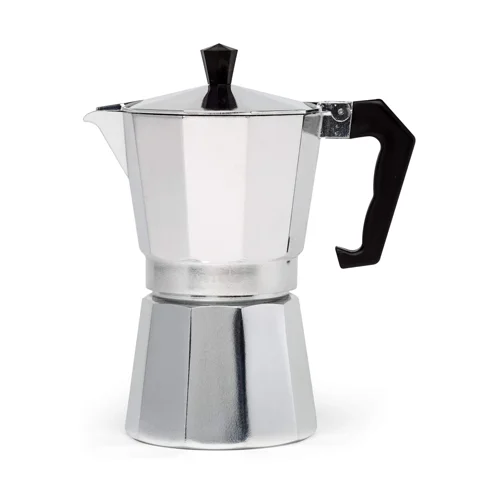
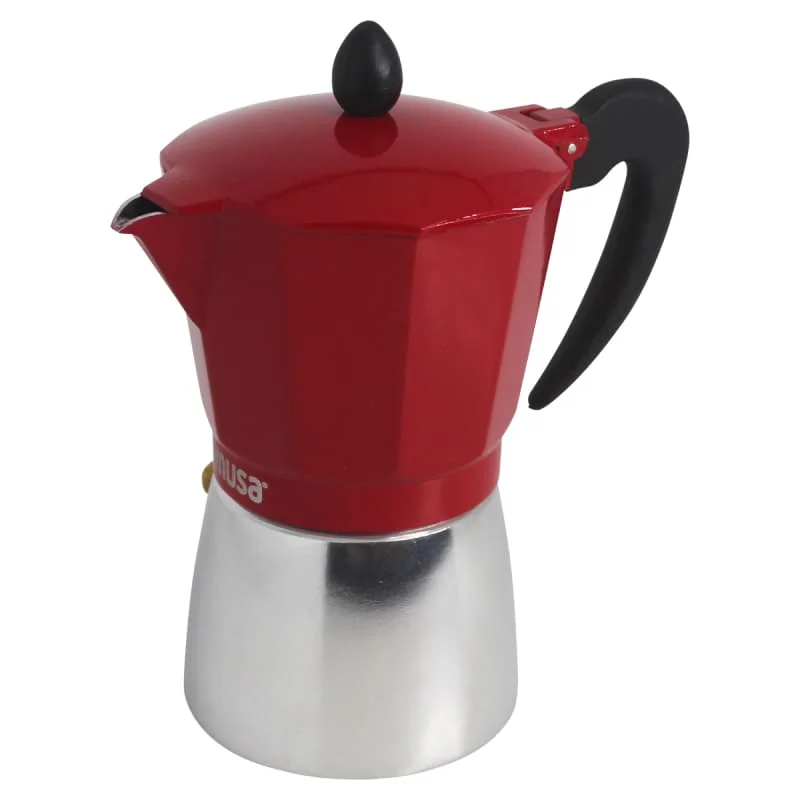
The IMUSA B120-43V is a classic Italian-style moka pot. Water sits in the bottom chamber, steam pressure pushes hot water up through a basket of ground coffee, and the brewed coffee collects in the top chamber. The brand sells it as the IMUSA 6 Cup Cast Aluminum Coffeemaker. The body and lid are both cast aluminum, and the handle is nylon.
The Amazon listing mentions a flip-top lid and a side pour spout. It is sold in several sizes, from 1 cup up to 12 cup, and this review covers the 6-cup. The brand does not state where it is made, and neither the brand page nor the listing describes the valve or the gasket, so we will not guess about them.
A note on "cup" sizes: moka pot cups are small, roughly espresso-sized servings, not mugs. A 6-cup pot makes a modest amount of concentrated coffee, enough for one large mug diluted with hot water or a couple of small servings. If you are new to the format, expect the volume to be smaller than the cup count suggests.
Build and materials
The brand describes the cast aluminum body as sturdy, warp-resistant, and built for years of use. That is marketing language, so treat it as the maker's claim rather than a finding. Cast aluminum is generally heavier and thicker than the thin stamped aluminum used in some pots, which is a reasonable thing to want from a pot that sits over a flame.
The handle and knob are the part most buyers care about. The brand says the pot has a cool-touch handle and knob. The Amazon listing repeats that. America's Test Kitchen, which reviewed moka pots, agreed on this one point: it found the 6-cup IMUSA had a cool handle. That matters, because a handle that gets hot is the most common way people burn themselves with these pots.
That is where the praise from the published review ends. America's Test Kitchen also reported rough threads on the pot that were hard to align. Threads are what hold the two chambers together, and the seal depends on them lining up. A pot that is awkward to screw together is annoying every single morning, and a poorly seated pot can leak or spurt at the seam.
Stovetop compatibility
The brand lists gas, electric and glass top as compatible stovetops. The Amazon listing says it fits gas, ceramic, or electric coil stovetops.
Induction is not listed anywhere. Cast aluminum is not magnetic, and induction cooktops need a magnetic base to heat the pot, so you should not expect this one to work on induction. If you cook on induction, browse the other kitchen picks in our Home & Living section, and look for stainless steel pots or other ways around the problem.
For camping, the cast aluminum body and simple design make sense on a small gas burner. Just keep in mind that the brand does not say anything specific about camp stoves, so that is an inference rather than a stated use.
How it brews, according to published reviews
America's Test Kitchen is the main independent source here, and its findings were not kind. In its moka pot roundup the editors found that the 6-cup IMUSA brewed the slowest of the pots they looked at, spurted violently, and produced coffee that tasted burnt.
Each of those problems has a known cause in moka pots generally. Violent spurting usually points to heat that is too high or to a pot that does not seal evenly. Burnt flavor tends to show up when coffee sits over heat after the brew is finished, or when the pot runs hot for a long stretch. A slow brew can come from low heat, but when it is combined with spurting and burnt flavor, it suggests the pot is hard to control. We cannot say how much of that is the pot and how much is technique, and we are not claiming to. We are reporting what a respected test kitchen found.
Other outlets have covered the IMUSA less thoroughly, so the America's Test Kitchen result is the one we weigh most heavily.
What a moka pot can and cannot do
It helps to be clear about the category. A moka pot is not an espresso machine. Steam pressure in a moka pot is roughly 1 to 2 bar, while a real espresso machine runs at around 9 bar. That gap is why moka coffee is strong and concentrated but does not have the crema or the body of a true espresso shot. If you want the closest thing to espresso on a stovetop, the pot only gets you partway.
That said, a well-handled moka pot makes a rich, strong cup that many people prefer for daily use, and it costs far less than a machine. The question with the IMUSA is not whether moka coffee is worth making. It is whether this particular pot gives you a fair shot at making it well.
Using it well
If you do buy it, a few habits will give you the best chance at a decent cup. These are general moka pot practices, not IMUSA-specific claims.
- Fill the water chamber up to the valve, not past it.
- Use a medium grind, not a fine espresso grind.
- Fill the basket and level it, but do not tamp the grounds down.
- Keep the heat moderate, and stay with the pot. Never leave it unattended on the stove.
- Take it off the heat at the first gurgle, when the stream turns pale and begins to sputter.
- Replace the gasket about once a year, since a worn rubber ring is a common cause of leaks.
Because America's Test Kitchen noted rough threads, tighten the pot carefully and check that it is seated square before you put it on the burner. Take extra care with a pot that is hard to align, because forcing it can make the seal worse.
Care
The brand's care instruction is hand wash only. Aluminum pots generally do not do well in dishwashers, where detergent can dull and darken the metal, so this fits what you would expect. Rinse it by hand, dry it fully, and store it with the lid off or loosely placed so it does not trap moisture.
Who should buy it
This is a narrow recommendation.
Buy it if you want the lowest cost of entry and you accept that you may need to fiddle with it. It also suits a spare pot, a pot for a cabin or campsite, or a gift pot for someone who just wants to try the format. If it turns out to be rough, you have not lost much.
Skip it if you are buying your first moka pot and care about the taste. Based on the published review, the combination of hard-to-align threads, spurting, slow brewing and burnt flavor makes it a poor first experience, and a bad first cup can put people off moka pots altogether. We would call it a caution for first-time buyers unless price is the only thing that matters.
Skip it if you cook on induction. Nothing on the brand page or the listing suggests it will work.
Alternatives
If the IMUSA's reputation gives you pause, the usual next step is to spend a little more on a pot with better published feedback, such as a better-regarded aluminum pot or a stainless steel one that also suits induction. If you drink your coffee with milk, our milk frother review covers an inexpensive add-on for the same morning routine.
Bottom line
The IMUSA 6-cup is cheap, it has a cool handle according to both the brand and America's Test Kitchen, and it will heat on gas, electric and glass top stoves. Against that, the one detailed independent review found rough threads, violent spurting, the slowest brew of its group and burnt-tasting coffee. We have no reason to dispute that finding, and no result of our own to set against it.
If you want a spare or a camping pot and cost is the deciding factor, it can do the job. If you want the best chance of a good cup from day one, put a little more into a better-reviewed pot instead.
Product details come from the manufacturer's page, the retailer listing and published reviews, and can change. Check the current listing before you buy.