Bialetti Venus Induction Moka Pot Review
As an Amazon Associate we earn from qualifying purchases made through links on this page — it doesn't affect what we score, or how. How this works
 Scored
The Bialetti Venus 6-cup is a stainless steel moka pot for people who cook on induction and want a Bialetti without buying an adapter plate. It sits in the mid-range band, which makes it pricier than the aluminum Moka Express but not a luxury purchase. The main trade-offs are hand washing only and a design that some reviewers find harder to keep clean than a plain aluminum pot.
This review is based on manufacturer specifications, retailer listings and published reviews from independent coffee sites. It is not a record of our own brewing, and where we mention how the coffee tastes or how the pot holds up, we name the source. If you are still deciding which kind of kitchen gear fits your routine, the Home & Living section collects our other picks for the kitchen.
What the Venus is
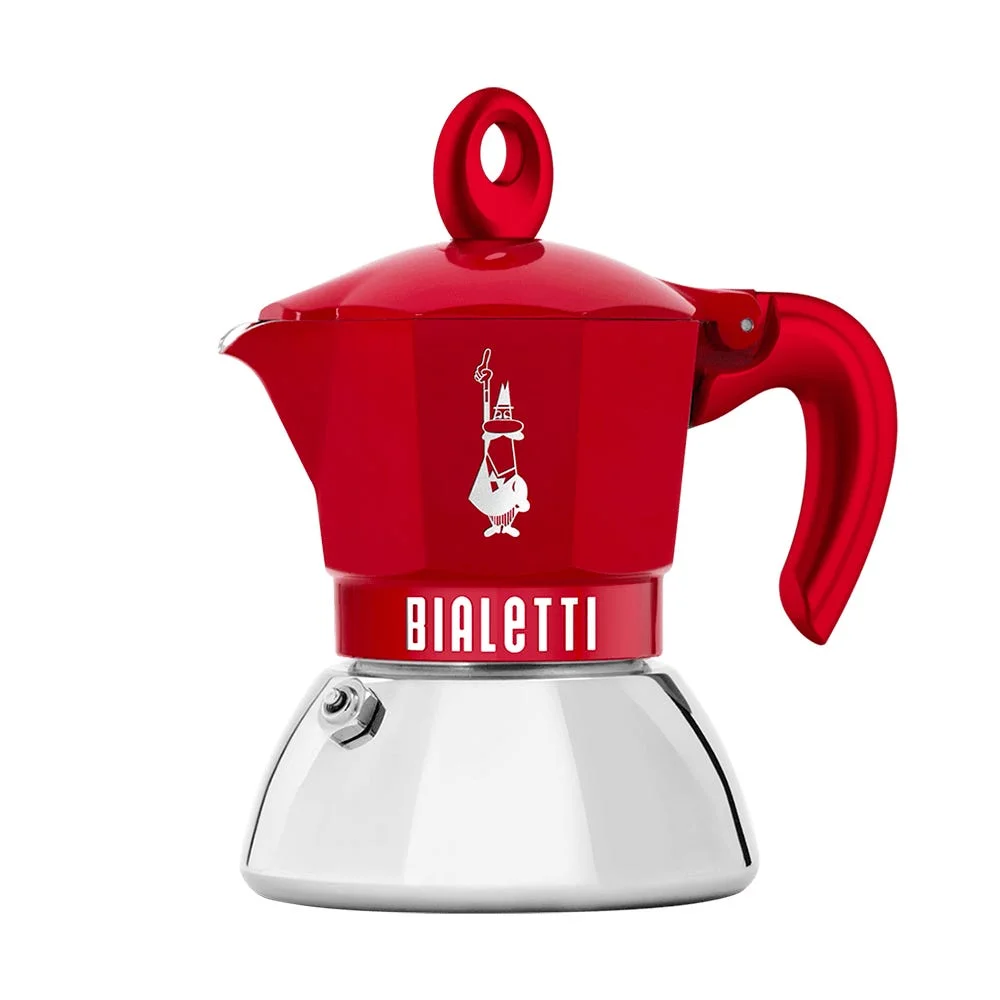
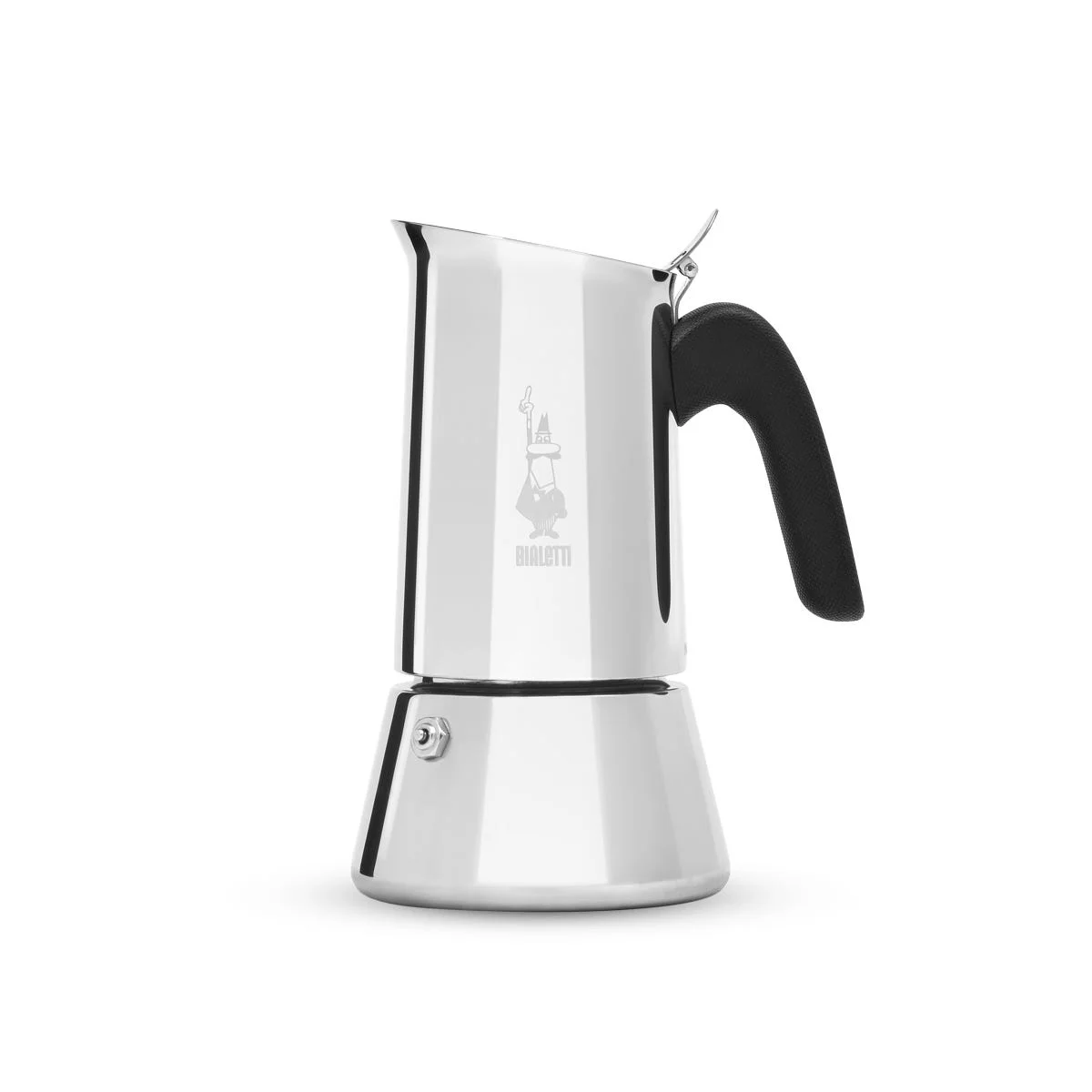
The Venus is Bialetti's stainless steel moka pot. Bialetti says it is made from 18/10 stainless steel, a grade commonly used in cookware because it resists corrosion and does not react with coffee the way bare aluminum can. The Venus is made from 18/10 stainless steel. That single fact explains most of what is different about it compared with the classic aluminum Bialetti many people grew up with.
It comes in 2, 4, 6 and 10-cup sizes. Bialetti lists the approximate outputs as 85, 170, 235 and 460 ml respectively. The 6-cup, which is the version this review covers, sits in the middle of the range and suits a household that drinks one or two mugs of strong coffee in the morning.
Like other moka pots, the Venus has three chambers. Water goes in the bottom boiler, ground coffee goes in the funnel basket, and the brewed coffee collects in the upper pot. If you have never used one, the process runs from filling to cleanup in a few minutes, and nothing about the Venus changes the basic method.
Induction compatibility
This is the reason most people will look at the Venus in the first place. Induction cooktops only heat magnetic metal. Standard aluminum moka pots do not work on them at all, which is why people on induction usually end up buying an adapter plate, a flat steel disc that sits on the cooktop and passes heat up to the pot. Adapter plates work, but they are slower and less efficient, because the cooktop has to heat the plate first and the plate then heats the pot.
The Venus avoids that. Bialetti's US site says its stovetop espresso maker works on gas, electric and induction cooktops without an adapter. That page covers the 6-cup range generally, so check the listing for the exact model you are buying.
There is one important size caveat. The 2-cup Venus is not suitable for induction, while the 4, 6 and 10-cup sizes are. Bialetti's New Zealand page states this directly. If you are buying for induction, the 6-cup in this review is fine, but do not assume the smallest size will work on your hob.
Bialetti's own Venus manual also advises against running an induction hob on its highest setting. The guidance is to use a medium heat. That fits with how moka pots work in general, since a gentler flame or element gives the water time to rise through the coffee evenly instead of blasting through. On induction, where power can ramp up very quickly, it is a sensible habit to start moderate.
Sizes and what the cup label means
Moka pot sizing confuses a lot of buyers. The cup number is not a mug. Bialetti describes the cup size as an espresso cup of roughly 30 ml. So a "6-cup" pot is named for how many small espresso-style servings it is meant to make, not for how many full mugs you will pour.
In practice that means the 6-cup is a good size for one person who wants a large drink or two people sharing small cups. The listed output for the 6-cup is about 235 ml. The labeled cup count and the listed output do not line up exactly if you do the multiplication, so treat the number on the box as a name for the size and use the millilitre figure when you are comparing pots.
One practical point from general moka pot practice: the pot works best when it is filled properly. Water goes up to the safety valve, not above it, and the basket should be filled with coffee level but not tamped. If you usually make a single small drink, the 4-cup may fit you better, and it is also induction compatible.
Build and design
Beyond the steel body, Bialetti lists a few features on the product page. Bialetti fits the Venus with its patented safety valve. This is the small valve on the boiler that releases pressure if something blocks the coffee path, and it is standard on Bialetti pots. The brand also describes a drip-less pouring spout and a heat-resistant, anti-slip handle.
The Amazon listing describes the pot as designed and made in Italy. That is retailer copy, and Bialetti's own product page does not state where the Venus is made, so treat the origin claim as the seller's wording rather than a brand statement.
Reviewers have mixed feelings about some details. Tasting Table notes that the edges of the funnel can be sharp, which is worth knowing if you tend to rinse the basket by hand with a sponge. That is a point about handling more than about performance, but it matters in daily use.
How the coffee tastes, according to reviewers
We have not formed taste opinions of our own for this review, so here is what published reviewers say. The writers at mycoffeeexplorer and mayfairfarms both report that stainless steel gives a cleaner, brighter cup than aluminum. They describe the flavor as less metallic and more clear. That fits the general reputation of stainless moka pots, since the steel is not reactive.
It is worth being careful about how much weight to put on this. Taste is personal, and the grind, the heat and the coffee you choose will matter more than the metal. A moka pot makes a strong, concentrated brew with steam pressure of roughly 1 to 2 bar, compared with about 9 bar for an espresso machine. It is not espresso, and no pot material will make it so. A medium grind, no tamping, and removing the pot from the heat at the first gurgle will do more for your cup than the choice between steel and aluminum.
Cleaning and care
This is where the Venus is least convenient. Bialetti says the Venus is not dishwasher safe. One outlet, Tasting Table, suggests otherwise, but the brand's position is clear, and if you want to keep the pot in good shape you should follow the manufacturer. Rinse the parts by hand with warm water, dry them, and leave the pot open to air out between uses.
The same reviewers who praise the taste also point to cleaning as the weak spot. Mycoffeeexplorer and mayfairfarms both report that the design includes a groove that can trap silt from the grounds, which makes it harder to clean thoroughly than a plain smooth interior. Both also mention the possibility of rust forming on the internal valve over time. Stainless steel is resistant to corrosion, but a small valve component is a different matter, and these writers flag it as something to watch.
The sensible habits are the usual moka pot ones. Rinse the pot after each use, do not leave old grounds sitting in the funnel, and dry everything before storing it. Replace the rubber gasket roughly once a year, or sooner if it hardens, cracks or starts to leak steam around the seam. Never leave the pot unattended on the heat, because a moka pot that runs dry can burn the coffee and stress the parts.
Using the Venus on induction
A few notes pulled together from Bialetti's guidance and standard moka pot practice:
- Use a medium heat, not the highest setting, as the Venus manual advises.
- Fill the boiler with water to just below the safety valve.
- Fill the basket with a medium grind, level it off, and do not tamp.
- Close the pot firmly, but do not overtighten the threads.
- Take the pot off the heat when you hear the first gurgle, so the last of the brew does not turn harsh.
- Make sure the pot base sits flat and centered on the cooking zone.
If you drink your coffee with milk, our milk frother review covers an inexpensive add-on that suits the same morning routine.
Who the Venus suits
The Venus makes sense if you cook on induction and would like a moka pot that works on your hob without extra hardware. It also suits anyone who prefers stainless steel to aluminum for cleanliness or for the way the coffee is described by reviewers. If you move between cooktop types, or might switch to induction in the future, a pot that works on gas, electric and induction cooktops removes one thing to worry about.
It is a reasonable choice for someone who is comfortable washing a few parts by hand and wants a pot with a more modern look than the classic aluminum design.
Who should skip it
Skip the Venus if you want the lowest possible cost. It is pricier than the aluminum Moka Express, and if you cook on gas or an electric coil, you are paying extra for induction compatibility you will not use. Skip it if you want something you can put in the dishwasher, because Bialetti is explicit that you should not. And think twice if easy cleaning is your top priority, given the silt groove and valve concerns reviewers describe.
If what you want is an induction-friendly Bialetti that keeps the aluminum upper section, the other option worth comparing is the Bialetti Moka Induction, which has a stainless boiler with an aluminum top. It has its own review on this site.
Bottom line
The Bialetti Venus 6-cup does one thing well on paper: it gives induction owners a Bialetti moka pot that works without an adapter. Independent reviewers like the cleaner, brighter cup, and the stainless build is a genuine difference from the aluminum classics. Against that, it costs more than the aluminum Moka Express, it is hand wash only, and the groove and valve issues described by reviewers mean you will need to be diligent about cleaning.
Buy the 4, 6 or 10-cup size if you are on induction, avoid the 2-cup, run it on medium heat, and plan to wash it by hand. If those trade-offs suit your kitchen, it is a sensible mid-range pick. If they do not, a different pot may serve you better.