Bialetti Moka Induction Review
As an Amazon Associate we earn from qualifying purchases made through links on this page — it doesn't affect what we score, or how. How this works
 Scored
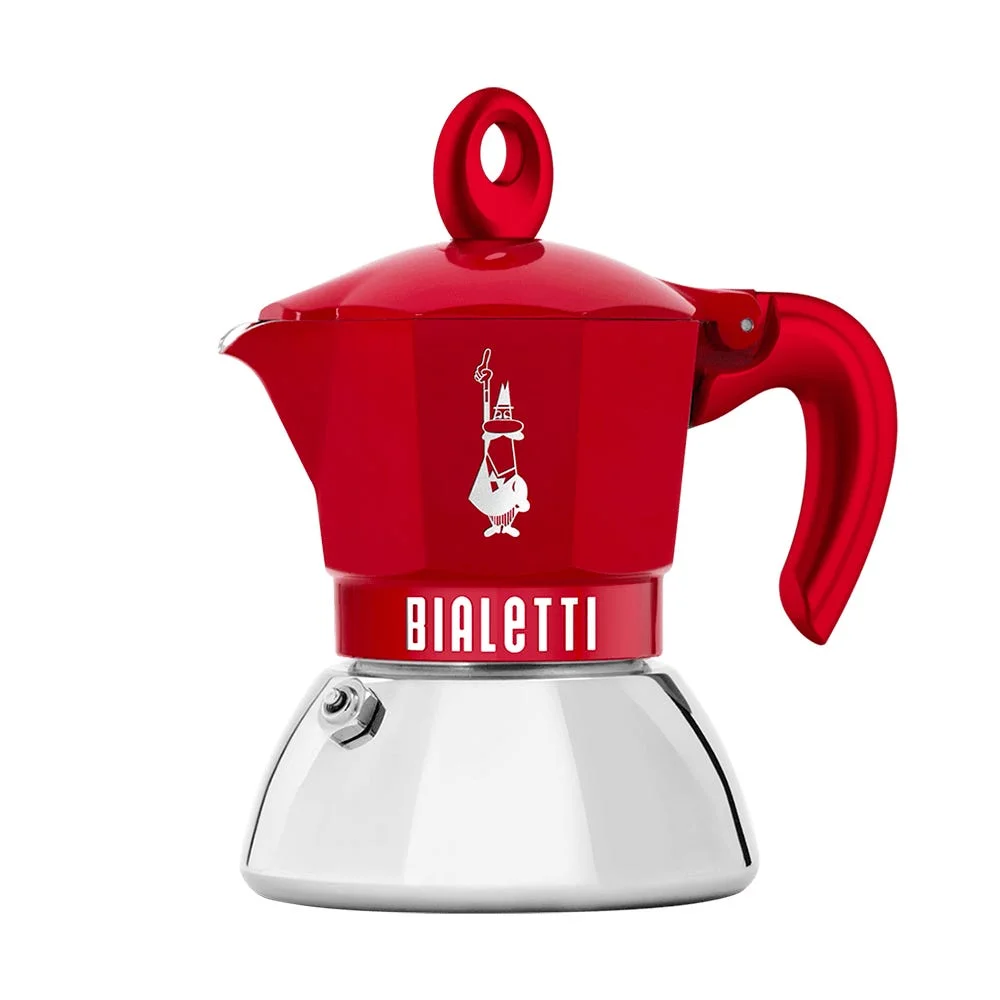
The Bialetti Moka Induction 6-cup is the classic Bialetti design adapted for induction cooktops. It pairs a stainless steel boiler, which is what lets an induction hob heat it, with an aluminum upper section, a silicone handle and a silicone knob. It sits in the mid-range band. If you want the familiar shape and a Bialetti that works on induction without a separate adapter plate, it is a straightforward option. If you dislike aluminum touching your coffee, the all-steel Venus is the alternative to look at.
This review is based on manufacturer specifications, retailer listings and published reviews. It is not a record of our own brewing, so any comment on taste or longevity below is attributed to a named source. For more kitchen picks to compare against, see the Home & Living section.
What the Moka Induction is
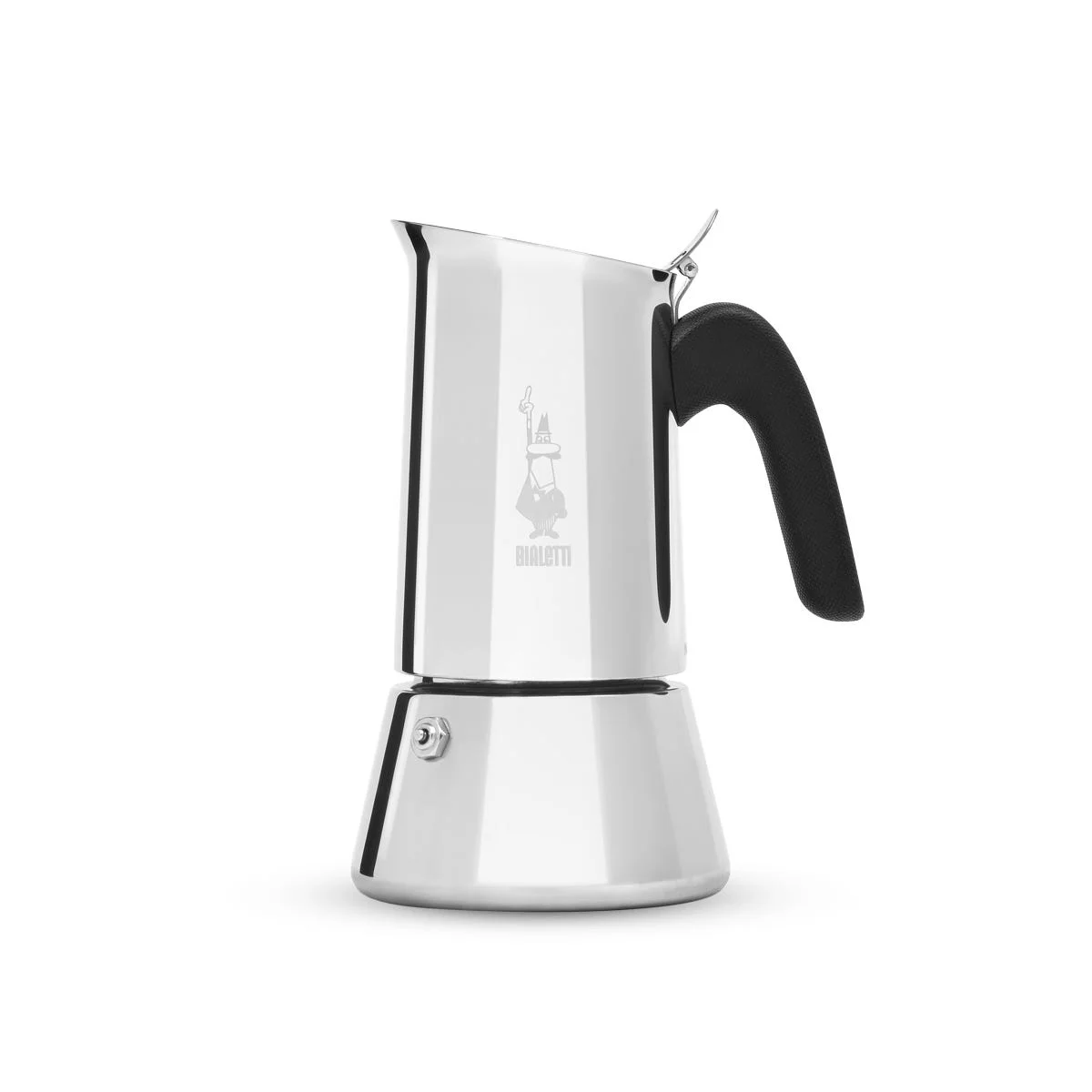
The pot has a stainless steel boiler on the bottom and an aluminum upper part, with a silicone handle and knob. Bialetti calls the base a "Bi-Layer" design. Bialetti markets a Bi-Layer boiler design on this pot. Its page headline reads "Bi-Layer Boiler Technology for Even, Authentic Brewing". We cannot say from specifications alone how much that changes the brew, so treat it as the brand's description of the base rather than a proven performance claim.
The body keeps the octagonal shape that people associate with Bialetti, and Bialetti lists a patented safety valve on the pot. It comes in 2, 4 and 6-cup sizes, with approximate outputs of 100, 150 and 280 ml according to the brand. This review covers the 6-cup.
A moka pot has three parts: the boiler where you put the water, the funnel basket that holds the ground coffee, and the upper chamber where the finished coffee collects. Steam pressure pushes the hot water up through the grounds. If you have not used one before, the method is short, and the Moka Induction follows the same steps as any other moka pot.
Why the steel boiler matters
Induction cooktops work by creating a magnetic field that heats magnetic metal directly. Aluminum is not magnetic, so a standard all-aluminum moka pot does nothing on an induction hob. People who own one usually end up buying an adapter plate. That works, but it is slower and less efficient, since the cooktop heats the plate and the plate then heats the pot.
The Moka Induction solves this with the stainless boiler. Bialetti's US page says the pot is compatible with induction, gas and electric stoves with no adapter needed. That is useful if you share a home with someone who has a different cooktop, or if you expect to change your kitchen setup later.
The brand adds one condition. It tells buyers to confirm the base diameter against their cooktop. Induction zones have a minimum pot size they will detect, and a small moka pot base can fall short on a large zone or a hob with strict sensing. Before you buy, check the base measurement in the listing against the guidance in your cooktop's manual. This is especially worth doing for the smaller sizes.
Sizes and the cup label
Bialetti defines the cup size as an espresso cup of about 30 ml. That is a small serving, closer to a shot glass than a mug. A "6-cup" pot is therefore named for the number of small servings it is designed around, and the brand's own output figure for the 6-cup is about 280 ml.
If you drink coffee from a standard mug, you will probably get one generous mug or two smaller ones from the 6-cup. If you make coffee for a household, you may want to compare against the larger sizes of other models, since this model stops at 6 cups.
Build and design
The silicone handle and knob are the visible changes from the traditional plastic fittings. One reviewer at honestcoffeeguide.com liked the handle, as well as the induction support. A silicone handle should be comfortable to grip and should not conduct heat the way a metal one would, but we are relying on the reviewer's remark here rather than offering our own view of how it feels.
The same reviewer reported a complaint about a squeaky screw thread. That is a minor irritation rather than a functional fault, but it is the kind of detail that shows up only when someone uses the pot daily. It is worth noting if you are sensitive to small noises.
On origin, Bialetti's US page lists the pot as made in Europe. Bialetti lists the Moka Induction as made in Europe. The page does not name a specific country, so we are not going to guess one.
What reviewers say about the coffee
Published feedback on the taste is limited and mixed, so it is better to treat it as a single data point than a verdict. A tester at honestcoffeeguide.com found the brew bold and bitter. That is common with moka pots in general and often points to technique more than to the pot itself. Strong, concentrated coffee is what a moka pot is designed to make. The steam pressure involved is roughly 1 to 2 bar, compared with about 9 bar for an espresso machine, so the result is closer to a strong stovetop brew than true espresso.
If your cup turns out harsh, the usual levers are the grind, the heat and the timing. Use a medium grind, do not tamp the coffee, fill the water only up to the valve, and take the pot off the heat at the first gurgle. Running the heat lower also helps, since a gentler rise gives a more even extraction than a fast blast.
The aluminum top and how it ages
This pot is not all steel, and that matters for long-term care. The upper section is aluminum, and the aluminum top still oxidizes over time. Oxidation is a normal reaction on bare aluminum. It can leave a dull or darker film on the surface, and it is one of the reasons some buyers prefer a fully stainless pot.
If that bothers you, the Venus, which is made from 18/10 stainless steel, avoids the issue, though it has its own drawbacks. We cover it in a separate review. The practical point is that the Moka Induction is a compromise: steel where induction needs it, aluminum where it keeps the classic shape.
Cleaning and care
Bialetti says the Moka Induction is not dishwasher safe. Wash it by hand in warm water, avoid abrasive pads, and dry the parts before storing them. Rinse the funnel basket and the upper chamber promptly so grounds do not dry onto the surface, and leave the pot open to air out.
Replace the rubber gasket roughly once a year, or sooner if it hardens or the seal starts leaking steam. A worn gasket is the most common reason a moka pot starts to spit or leak at the seam. Never leave the pot unattended on the heat. A moka pot that boils dry can burn the coffee and put stress on the parts, and induction hobs heat quickly enough that this can happen sooner than you expect.
Using it on an induction hob
Some practical notes drawn from Bialetti's guidance and ordinary moka pot practice:
- Check the base diameter against your cooktop before buying.
- Center the pot on the cooking zone so it sits flat.
- Start with a moderate heat setting instead of the highest one. Bialetti's guidance for its induction-capable Venus is to use medium, and the same logic applies here.
- Fill water to the safety valve, not over it.
- Fill the basket level with a medium grind and do not tamp.
- Remove the pot from the heat when you hear the first gurgle.
If you drink your coffee with milk, our milk frother review covers an inexpensive add-on for the same routine.
Who the Moka Induction suits
It suits induction owners who want the traditional Bialetti shape and do not want to deal with an adapter plate. It also fits households with mixed cooktops, since the same pot works on gas, electric and induction. If you like the idea of a silicone handle and a mid-range price band, and you are comfortable with an aluminum top that will oxidize with use, it is a sensible buy.
Who should skip it
Skip it if you want a fully stainless pot with no aluminum in contact with the coffee. Skip it if your induction zone is large or fussy and the base diameter is borderline, because the brand's own advice is to check compatibility first. Skip it if you want a dishwasher-safe pot, because Bialetti says no. And if the squeaky thread or the bitter result mentioned in the reviews would put you off, you may be happier with a different model.
Buyers who are not sure about induction at all, and who might be happy with a cheaper aluminum pot on gas, should look at the broader kitchen picks before deciding.
Bottom line
The Bialetti Moka Induction 6-cup does what its name says: it gives induction owners a recognizable Bialetti without an adapter. The stainless boiler handles the induction requirement, the silicone fittings are a small upgrade in grip, and the brand lists the usual safety valve. The compromises are real but modest. The aluminum top oxidizes over time, the pot is hand wash only, one reviewer mentioned a squeaky thread, and another found the brew bold and bitter, which is as likely to be technique as equipment.
Check your cooktop's minimum base diameter, use a medium grind and moderate heat, and wash by hand. If you can live with those conditions, it is a reasonable mid-range pick for an induction kitchen.